Archives
- 2018-07
- 2018-10
- 2018-11
- 2019-04
- 2019-05
- 2019-06
- 2019-07
- 2019-08
- 2019-09
- 2019-10
- 2019-11
- 2019-12
- 2020-01
- 2020-02
- 2020-03
- 2020-04
- 2020-05
- 2020-06
- 2020-07
- 2020-08
- 2020-09
- 2020-10
- 2020-11
- 2020-12
- 2021-01
- 2021-02
- 2021-03
- 2021-04
- 2021-05
- 2021-06
- 2021-07
- 2021-08
- 2021-09
- 2021-10
- 2021-11
- 2021-12
- 2022-01
- 2022-02
- 2022-03
- 2022-04
- 2022-05
- 2022-06
- 2022-07
- 2022-08
- 2022-09
- 2022-10
- 2022-11
- 2022-12
- 2023-01
- 2023-02
- 2023-03
- 2023-04
- 2023-05
- 2023-06
- 2023-07
- 2023-08
- 2023-09
- 2023-10
- 2023-11
- 2023-12
- 2024-01
- 2024-02
- 2024-03
- 2024-04
- 2024-05
-
G actin has a molecular weight of kD
2024-05-15
G-actin has a molecular weight of 42 kD and dimensions about 55 × 55 × 35 Å3. It consists of 375 amino acids arranged into two individual domains (Alberts et al., 2014). A central cleft bisects the protein into two aforementioned domains which surround a deep cleft containing ATP or ADP and a tightl
-
Encouraged by this observation a
2024-05-15

Encouraged by this observation, a systematic SAR study on the A ring -alkoxy was conducted as summarized in . The A ring methoxy-containing KRCA-0008 was proven an optimal substituent in terms of potency after all and its bigger size derivatives were detrimental in both biochemical and H3122 cellula
-
Although our data show that agrin accelerates the innervatio
2024-05-15
Although our data show that agrin accelerates the innervation of engineered muscle tissue following implantation, there are still several issues that need to be considered. First, the use of primary muscle stem or progenitor contact us (satellite cells) instead of an immortalized muscle cell line (
-
br Methods br Results and discussion br Conclusions br
2024-05-15
Methods Results and discussion Conclusions Acknowledgements The authors thank Dr. Francois Alhenc-Gelas (then INSERM U367, Paris, France), who kindly provided the plasmid for truncated soluble recombinant human ACE – WTΔ, Dr. Elena Arablinskaya (Institute of Phtiziopulmonology, Moscow, R
-
mln4924 br Materials and methods br Results br Discussion Th
2024-05-15
Materials and methods Results Discussion The brain is endowed with the 5-LOX enzymatic system (Lammers et al., 1996, Lindgren et al., 1984), but its physiological and pathological roles are still not clear. Inflammation is a characteristic of many neurodegenerative diseases such as Alzheime
-
Screening a selection of analogues from
2024-05-15

Screening a selection of analogues from this library against the panel of 26 kinases (16, 22, and 24 were screened at 30 μM due to poor solubility; 17 tested at 100 μM) generally demonstrated an increase in activity compared to protein kinase inhibitor 3 (Fig. 3, Fig. 6). The benzamide analogue 16 d
-
It has also been reported
2024-05-15
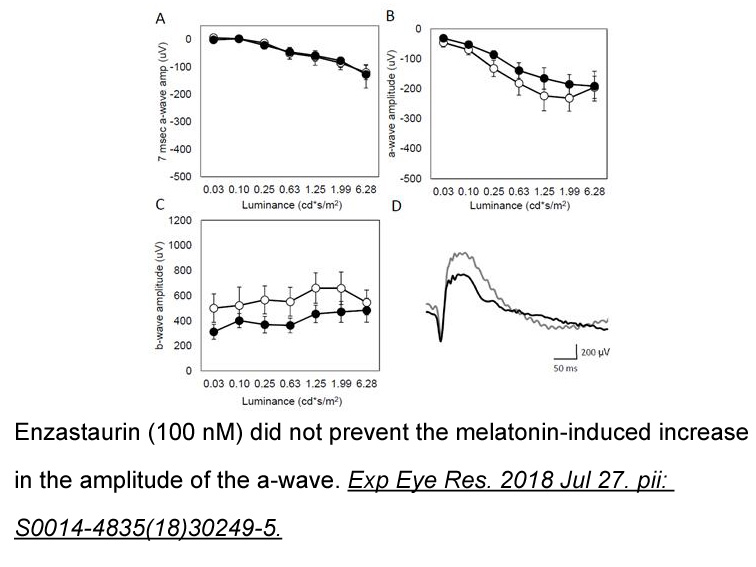
It has also been reported that defects in ATM or ATR signalling are synthetically lethal with PARP inhibition (Turner et al., 2008, Peasland et al., 2011, Yap et al., 2011, Michels et al., 2014), suggesting that combined inhibition of PARP and ATM or ATR may be an effective therapeutic strategy. In
-
The first objective of the present study was
2024-05-15

The first objective of the present study was to investigate the impact of ageing on arginase activity in tissues which exhibit age-related impairments in their function. The second objective was to determine whether l-arginine supplementation modulated the effect of ageing on arginase activity. The
-
Protein arrays provide a new approach for the identification
2024-05-15
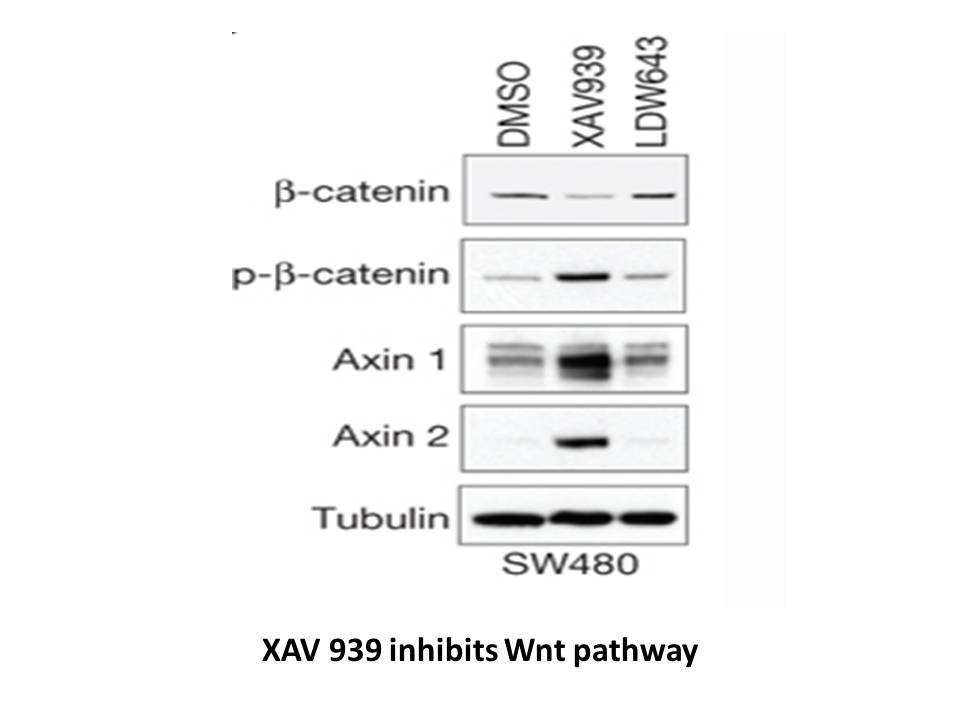
Protein arrays provide a new approach for the identification of substrates for several protein-modifying enzymes. For example, protein kinase substrate identification, which constitutes an important aspect of pathway mapping because of the prevalence of these substrates in biological pathways. MacBe
-
Abnormalities in placentation in patients with
2024-05-15
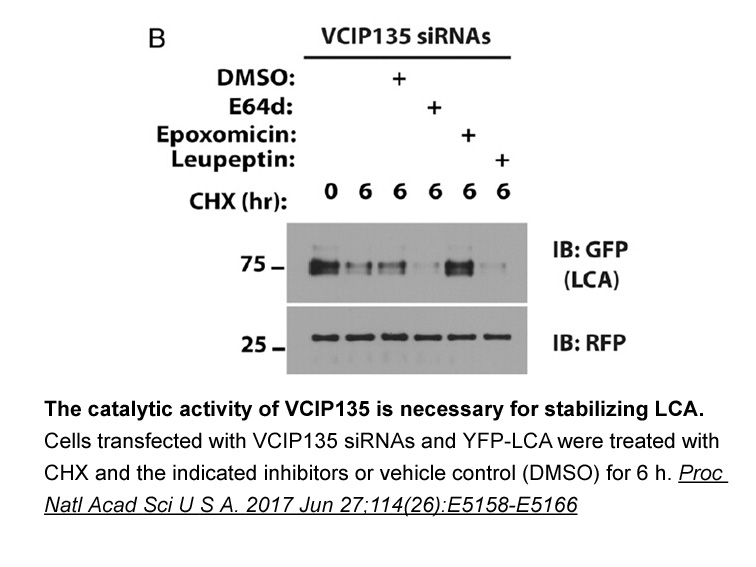
Abnormalities in placentation in patients with PE appear to be associated with changes in different components of the signaling pathway that mediates cytotrophoblast migration/invasion. Studies have showed that the activation of the Notch signaling pathway is associated with the differentiation and
-
br AR expression in breast tissue Although
2024-05-15
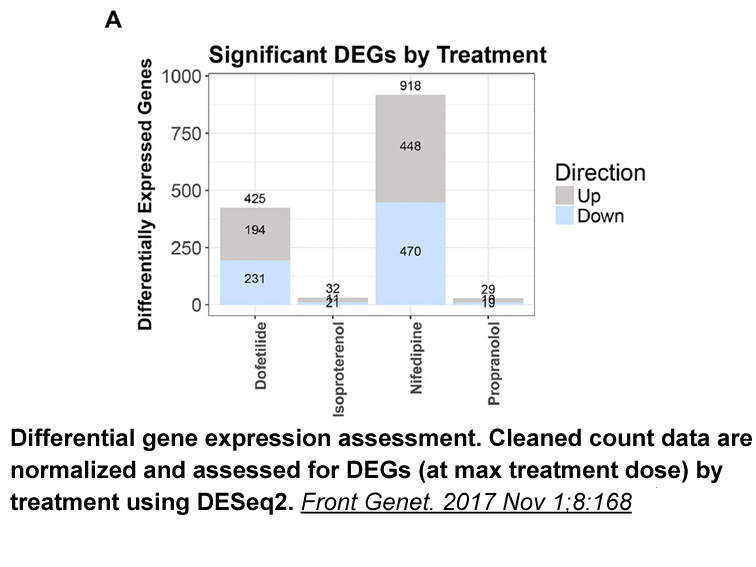
AR expression in breast tissue Although androgenic signalling is chiefly associated with the development and maintenance of primary and secondary male characteristics, especially during puberty when the testes are by far the major source of testosterone, the AR also plays important functions in f
-
br Conflicts of interest br Funding br Introduction Brassica
2024-05-15
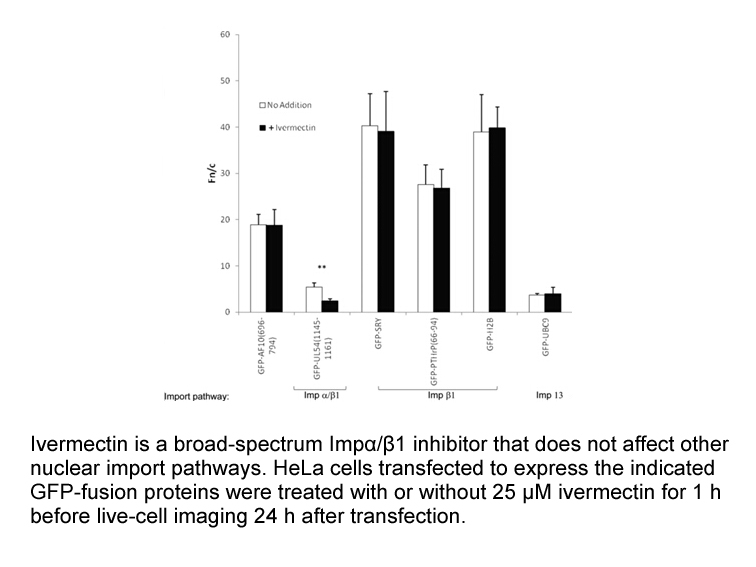
Conflicts of interest Funding Introduction Brassicaceae is an economically important family of plants containing rapeseed, cabbage, broccoli, brussels, radish and mustard. Among them rapeseed plays a crucial role, because of its application in food and also in fuel industry. According to th
-
A characteristic of iron present in brain fluids
2024-05-14
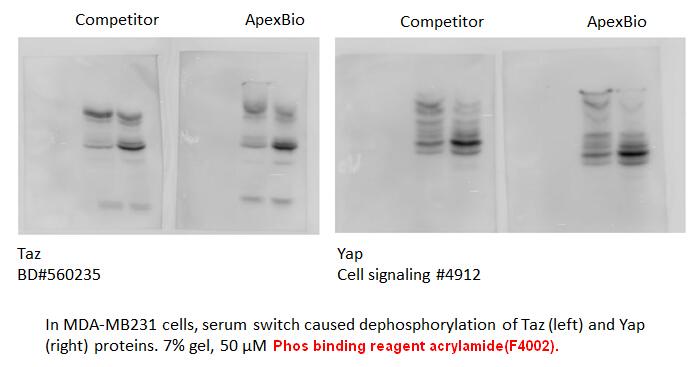
A characteristic of iron present in brain fluids is considerable differences between measured values of ferritin and transferrin and the total iron content value (Table 1). Variation of the latter is compatible with differences in individual metabolisms. However differences between total iron conten
-
Aldose reductase AR is an NADPH dependent aldo keto
2024-05-14
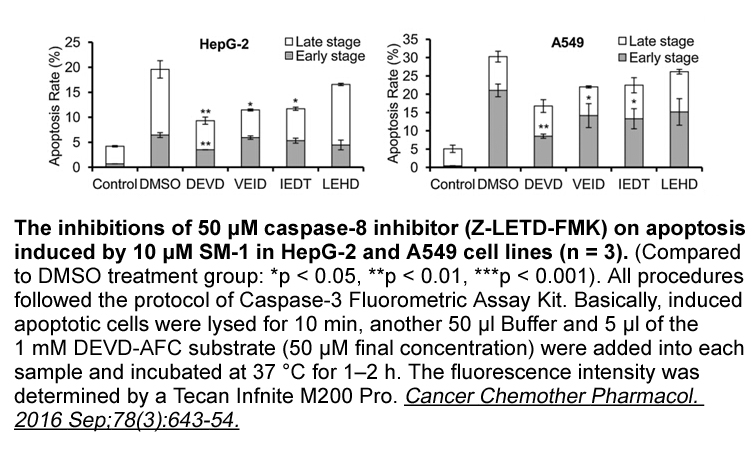
Aldose reductase (AR), is an NADPH-dependent aldo-keto reductase very well studied as a catalyst of glucose conversion to sorbitol in the polyol pathway [11], [12]. In the diabetic lens characterized by chronically high levels of glucose, AR is responsible for production of high levels of sorbitol a
-
br Distribution of OCT in rat
2024-05-14
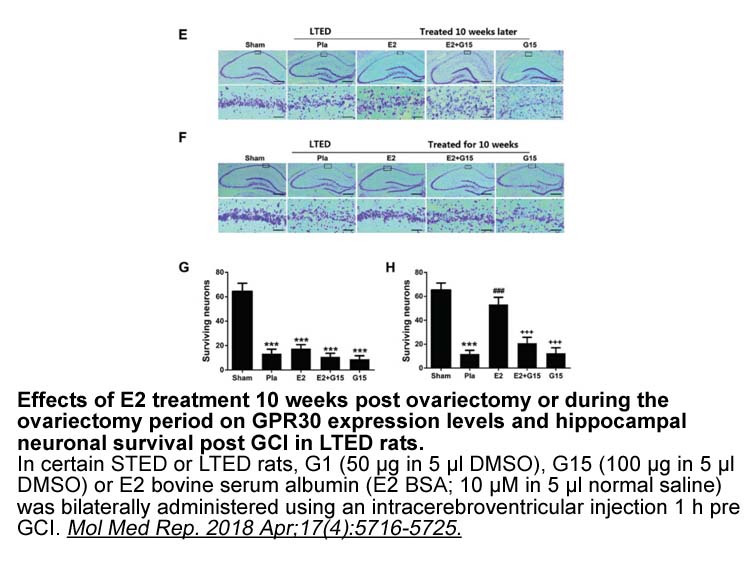
Distribution of OCT3 in rat brain To understand the potential roles of this corticosterone-sensitive monoamine clearance mechanism in the regulation of monoaminergic neurotransmission and behavior, and its potential contribution to corticosteroid actions on behavior, we examined the rostrocaudal