Archives
- 2018-07
- 2018-10
- 2018-11
- 2019-04
- 2019-05
- 2019-06
- 2019-07
- 2019-08
- 2019-09
- 2019-10
- 2019-11
- 2019-12
- 2020-01
- 2020-02
- 2020-03
- 2020-04
- 2020-05
- 2020-06
- 2020-07
- 2020-08
- 2020-09
- 2020-10
- 2020-11
- 2020-12
- 2021-01
- 2021-02
- 2021-03
- 2021-04
- 2021-05
- 2021-06
- 2021-07
- 2021-08
- 2021-09
- 2021-10
- 2021-11
- 2021-12
- 2022-01
- 2022-02
- 2022-03
- 2022-04
- 2022-05
- 2022-06
- 2022-07
- 2022-08
- 2022-09
- 2022-10
- 2022-11
- 2022-12
- 2023-01
- 2023-02
- 2023-03
- 2023-04
- 2023-05
- 2023-06
- 2023-07
- 2023-08
- 2023-09
- 2023-10
- 2023-11
- 2023-12
- 2024-01
- 2024-02
- 2024-03
- 2024-04
- 2024-05
-
The Nagoya Heart Study enrolled patients with hypertension a
2024-05-16
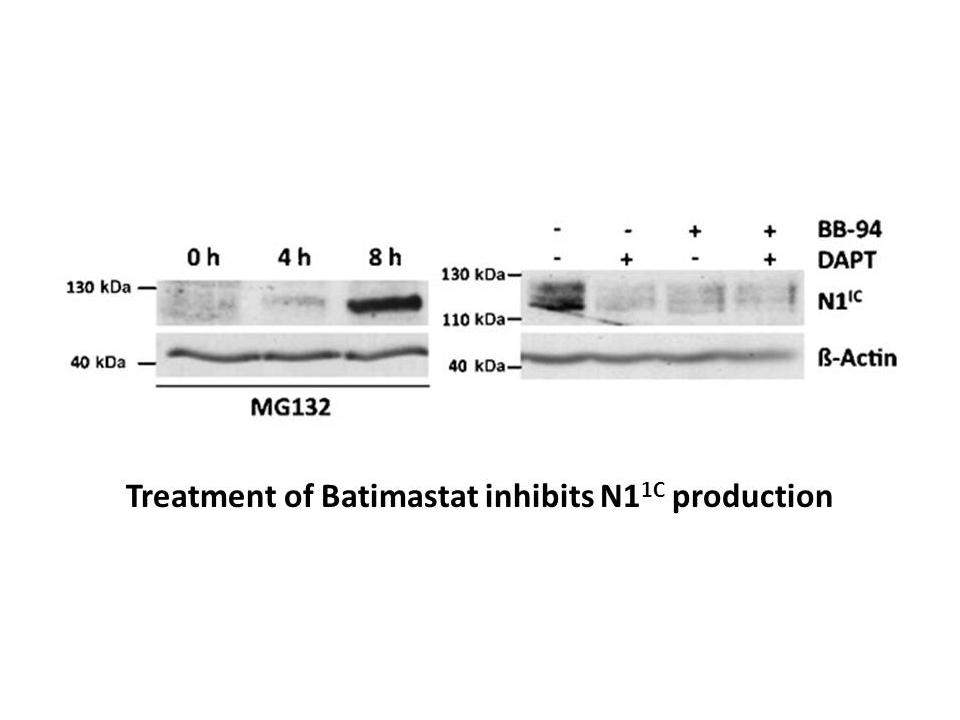
The Nagoya Heart Study enrolled patients with hypertension and type 2 diabetes or impaired rgd peptide tolerance (12). Patients were randomized to valsartan- or amlodipine-based regimens with a BP target of ≤130/80 mmHg. The primary outcome was a composite of sudden cardiac death, myocardial infarc
-
Prostate cell growth and prostate carcinogenesis are not onl
2024-05-16
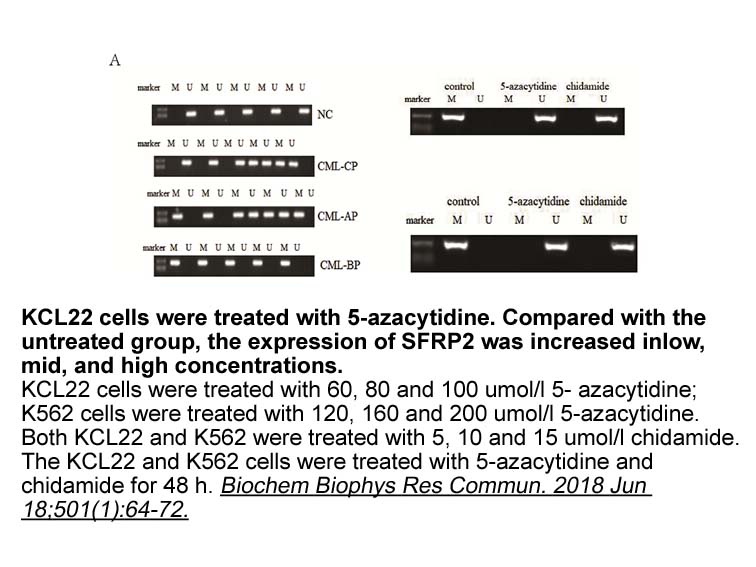
Prostate cell growth and prostate carcinogenesis are not only mediated by androgens, they are also dependent on functional insulin receptor (IR) and insulin-like growth factor-1 (IGF-1) receptor (IGF1R) signaling. Previous studies addressed this issue and reported a correlation between high insulin
-
Moreover a multiple regression analysis
2024-05-16

Moreover, a multiple regression analysis using the 1-year MMSE score as a dependent variable was conducted. The result showed that serum bv8 levels at admission did not affect the MMSE score 1 year later (β = 0.10, p = 0.639). Discussion In this study, serum Aβ42 levels were significantly lower
-
Aggregated A species have been studied by an
2024-05-16
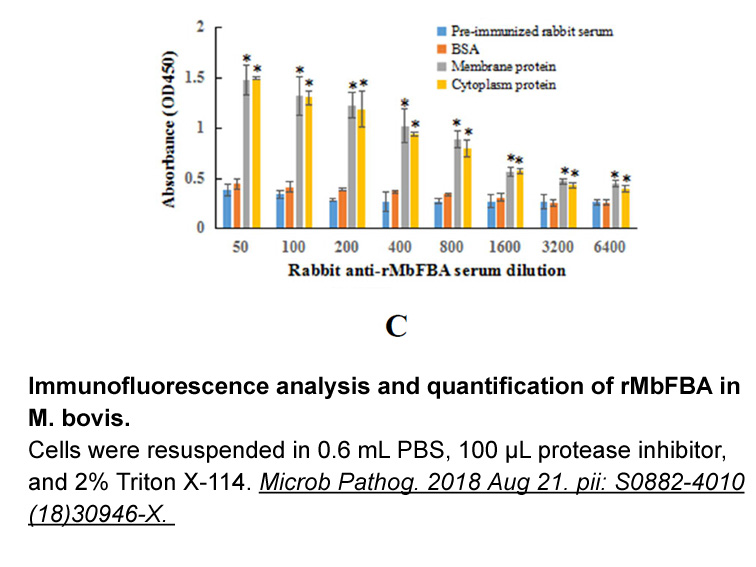
Aggregated Aβ species have been studied by an array of biophysical techniques, including atomic force microscopy (AFM) [55], transmission electron microscopy (TEM) [56], [57], X-ray diffraction [58], Fourier transform infrared (FTIR) [59], [60], circular dichroism (CD) [61], and nuclear magnetic res
-
br Results br Discussion Here we
2024-05-16
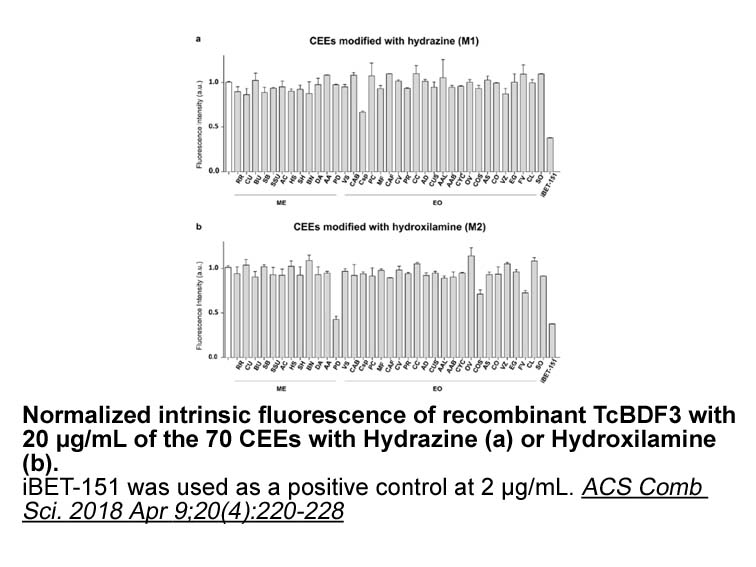
Results Discussion Here, we uncovered a role for Wnt-Fz7 signaling in LTP-dependent spine plasticity and synaptic localization of AMPARs. We demonstrated that LTP induction increased Wnt7a/b protein at butein and spines. Direct blockade of endogenous Wnts impaired LTP-mediated structural spin
-
The lactam emerged as lead candidate due to its
2024-05-16
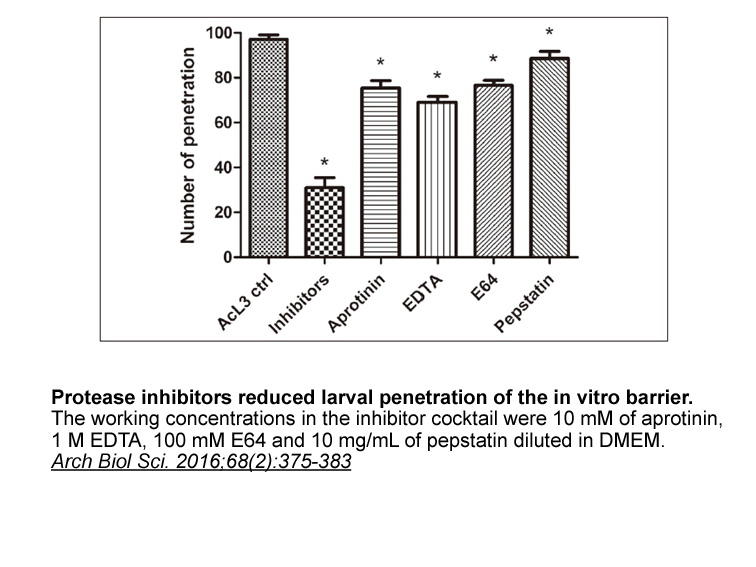
The lactam (6) emerged as lead candidate due to its high selectivity, outstanding potency (against ALK or in clinically known ALK mutants), low in vitro clearance, and low efflux potential. The lactam (6) was selected for further profiling against the resistant ALK mutants. Preclinical rat pharmacok
-
UNC 3230 Heat shock protein Hsp is a
2024-05-16
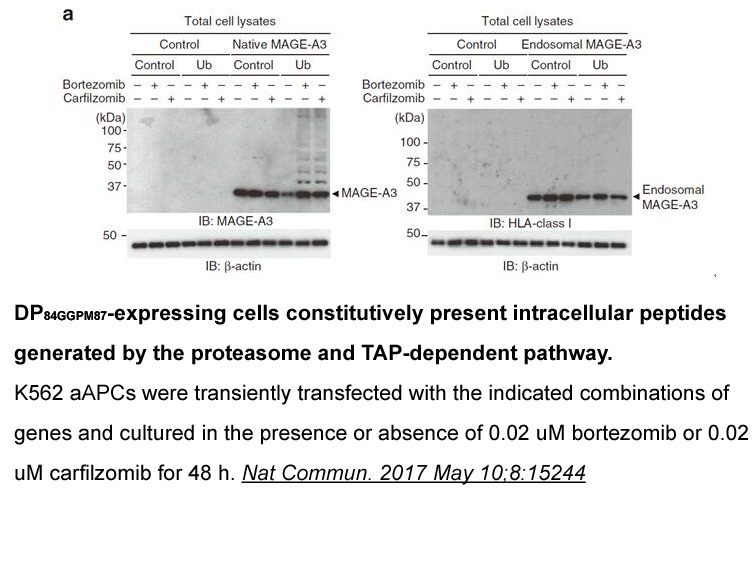
Heat shock protein 90 (Hsp90) is a molecular chaperone that plays a central role in regulating the maturation, activation and stability of numerous “client proteins” that drive the development and progression of many cancers. Therefore, inhibition of Hsp90 would result in degradation of the client p
-
br Current therapies for metabolic
2024-05-16
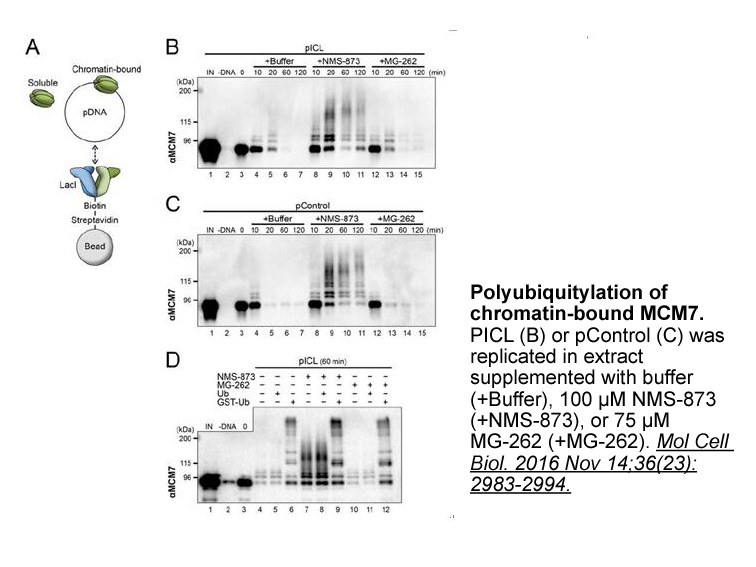
Current therapies for metabolic diseases Inborn errors of metabolism caused by deficiency of particular enzymes due to loss of function mutations or deletions have been treated by decreasing the intake of the enzymatic substrate, supplementation with an essential cofactor or vitamin, increasing m
-
In our previous study we showed
2024-05-16
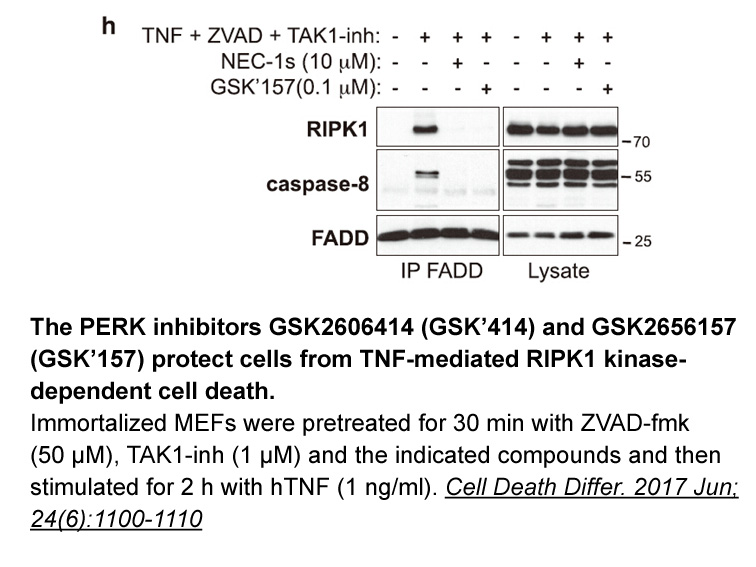
In our previous study we showed that normal and cancerous Sumatriptan sale of kidney exhibit the activity of alcohol dehydrogenase and aldehyde dehydrogenase. Furthermore, the activity of class I ADH isoenzymes and total ADH were significantly higher in cancer tissue than in unchanged renal cells.
-
Pregnane X receptor PXR is a nuclear receptor that
2024-05-16
Pregnane X receptor (PXR) is a nuclear receptor that plays an important role in regulation of metabolism and disposition of structurally diverse xenobiotics as well as endogenous steroids and bile acids (Bertilsson et al., 1998, Kliewer et al., 1998, Lehmann et al., 1998). PXR regulates the metaboli
-
br Discussion AhR is a receptor that binds
2024-05-16
Discussion AhR is a receptor that binds to a great variety of lipophilic compounds, in particular those containing at least one aromatic ring (Abel and Haarmann-Stemmann, 2010, Guyot et al., 2013, Hahn, 2002). The main known function of this receptor is to induce the metabolism of these compounds
-
br HIF HIF signaling in
2024-05-16
HIF-1α HIF-1α signaling in cancer cells contributes to tumor progression by promoting angiogenesis, invasion, metastasis, and the recruitment of immunosuppressive cells via secreted modulators 36, 37. One example of a HIF-1α immunosuppressive pathway is through increased expression of inducible n
-
br ABCA modulates intracellular sphingolipid metabolism in t
2024-05-16

ABCA2 modulates intracellular sphingolipid metabolism in the LE/LY Recycling of plasma membrane lipids that occurs by constitutive endocytosis and vesicularization of complex glycolipids, complex sphingolipids and cholesterol as well as free cholesterol liberated from LDL after receptor-mediated
-
Given the profound expression of HT A and HT A
2024-05-16
Given the profound flumethasone of 5-HT1A and 5-HT2A in the hippocampal CA1 region, and their potential to complex with mGluRs, the objective of this study was to examine if sleep deprivation alters the expression of 5-HT1A and 5-HT2A receptors and determine whether potential changes are reversible
-
When added to the culture medium extracellular ATP
2024-05-16

When added to the culture medium, extracellular ATP is metabolized into adenosine by ectonucleotidases, and ARs are then activated by adenosine with concentrations in the micromolar range [27]. However, our study showed that activation of ARs by exogenous adenosine could not induce the odontoblastic