Archives
- 2026-08
- 2026-07
- 2026-06
- 2026-05
- 2026-04
- 2026-03
- 2026-02
- 2026-01
- 2025-12
- 2025-11
- 2025-10
- 2025-09
- 2025-04
- 2025-03
- 2025-02
- 2025-01
- 2024-12
- 2024-11
- 2024-10
- 2024-09
- 2024-08
- 2024-07
- 2024-06
- 2024-05
- 2024-04
- 2024-03
- 2024-02
- 2024-01
- 2023-12
- 2023-11
- 2023-10
- 2023-09
- 2023-08
- 2023-07
- 2023-06
- 2023-05
- 2023-04
- 2023-03
- 2023-02
- 2023-01
- 2022-12
- 2022-11
- 2022-10
- 2022-09
- 2022-08
- 2022-07
- 2022-06
- 2022-05
- 2022-04
- 2022-03
- 2022-02
- 2022-01
- 2021-12
- 2021-11
- 2021-10
- 2021-09
- 2021-08
- 2021-07
- 2021-06
- 2021-05
- 2021-04
- 2021-03
- 2021-02
- 2021-01
- 2020-12
- 2020-11
- 2020-10
- 2020-09
- 2020-08
- 2020-07
- 2020-06
- 2020-05
- 2020-04
- 2020-03
- 2020-02
- 2020-01
- 2019-12
- 2019-11
- 2019-10
- 2019-09
- 2019-08
- 2019-07
- 2019-06
- 2019-05
- 2019-04
- 2018-11
- 2018-10
- 2018-07
-
To elucidate whether membrane fluidity changes could impact
2024-10-14
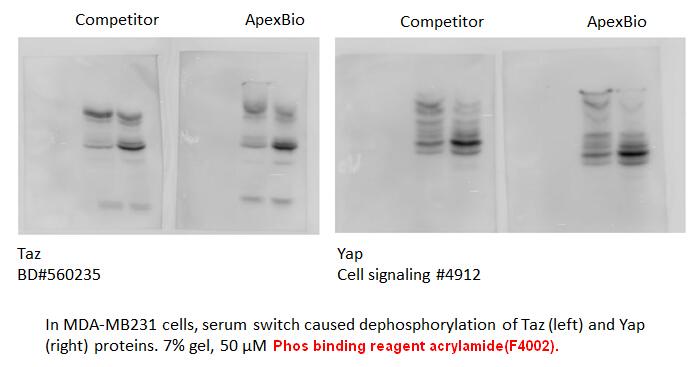
To elucidate whether membrane fluidity changes could impact on signaling pathways, we examined the effects of Rh2 on the activation of Akt, a lipid raft-associated protein kinase, which promotes cell survival and blocks the apoptotic pathways. Upon pretreatment with 5 mM MβCD and in the absence of R
-
Autocrine regulations of several adipokines
2024-10-14
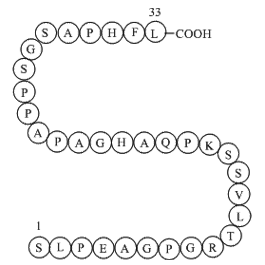
Autocrine regulations of several adipokines (e.g., leptin and resistin) on adipocytes have been reported (Karastergiou and Mohamed-Ali, 2010, Ye et al., 2010). Several lines of evidence have shown that apelin influences adipocyte functions, such as, lipolysis and glucose uptake (Dray et al., 2008, Y
-
In addition understanding the relationship
2024-10-14

In addition, understanding the relationship between human metabolic processes and dietary antioxidant intake would provide opportunities for altering the diet to improve health (Prior, 2015). Prior et al. (2007) emphasized that excess reactive oxygen species, which occurred during the metabolism of
-
The sequential behavioral approach used
2024-10-14
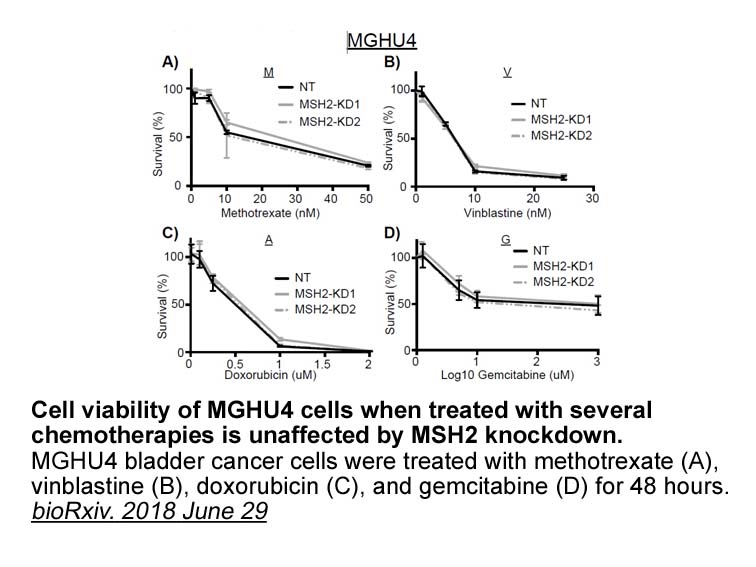
The sequential behavioral approach used in the present study reinforced the involvement of the BDNF/TRKB system in the effect of losartan. In mice with dampened BDNF expression, losartan was no longer able to exert antidepressant-like effects. Similar to what was observed after losartan treatment, t
-
Recent studies suggest that A caused
2024-10-14
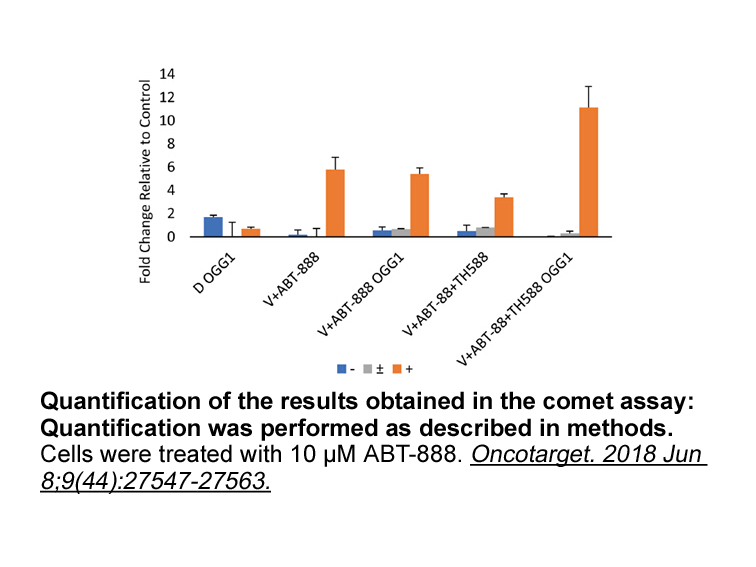
Recent studies suggest that Aβ caused synapse damage as a consequence of aberrant cell signalling. As synthetic Aβ42 monomers activate the phosphatidylinositol-3-kinase pathway (Giuffrida et al., 2009) and insulin signalling (Giuffrida et al., 2012) it is possible that Aβ monomers and Aβ oligomers a
-
What is the mechanism by which Wnt
2024-10-14

What is the mechanism by which Wnt7a-Fz7 signaling enhances AMPAR localization and synaptic strength? Following induction of LTP, the number of AMPARs rapidly increases at extrasynaptic sites (Makino and Malinow, 2009, Yang et al., 2008a) through PKA-dependent phosphorylation of GluA1 at S845 (He et
-
Similar to V the temporal neocortex of mammals including the
2024-10-12
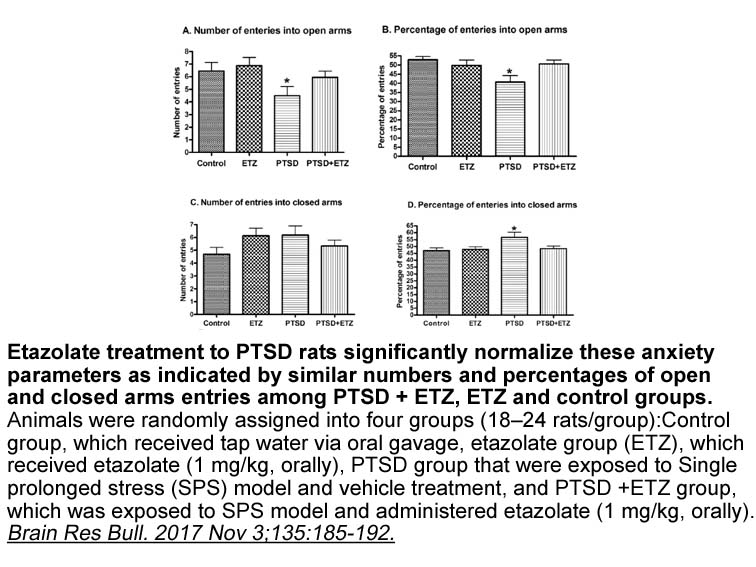
Similar to V1, the temporal neocortex of mammals, including the primary auditory cortex (A1), is densely innervated by 5-HT fibers originating mainly in the dorsal raphe nucleus (Campbell et al., 1987, Harding and Paxinos, 2004, Törk, 1990), and the major rsv of 5-HTRs are expressed throughout the t
-
While A Rs communicate mainly with the D
2024-10-12

While A1Rs communicate mainly with the D1R subtype [36], A2AR and D2R interaction occurs mainly in basal ganglia. D2Rs colocalizes with A2ARs in this AT7519 area where they are preferentially localized postsynaptically in the soma and dendrites of GABAergic striatopallidal neurons [69]. This intera
-
ADORs accomplish a variety of physiological
2024-10-12
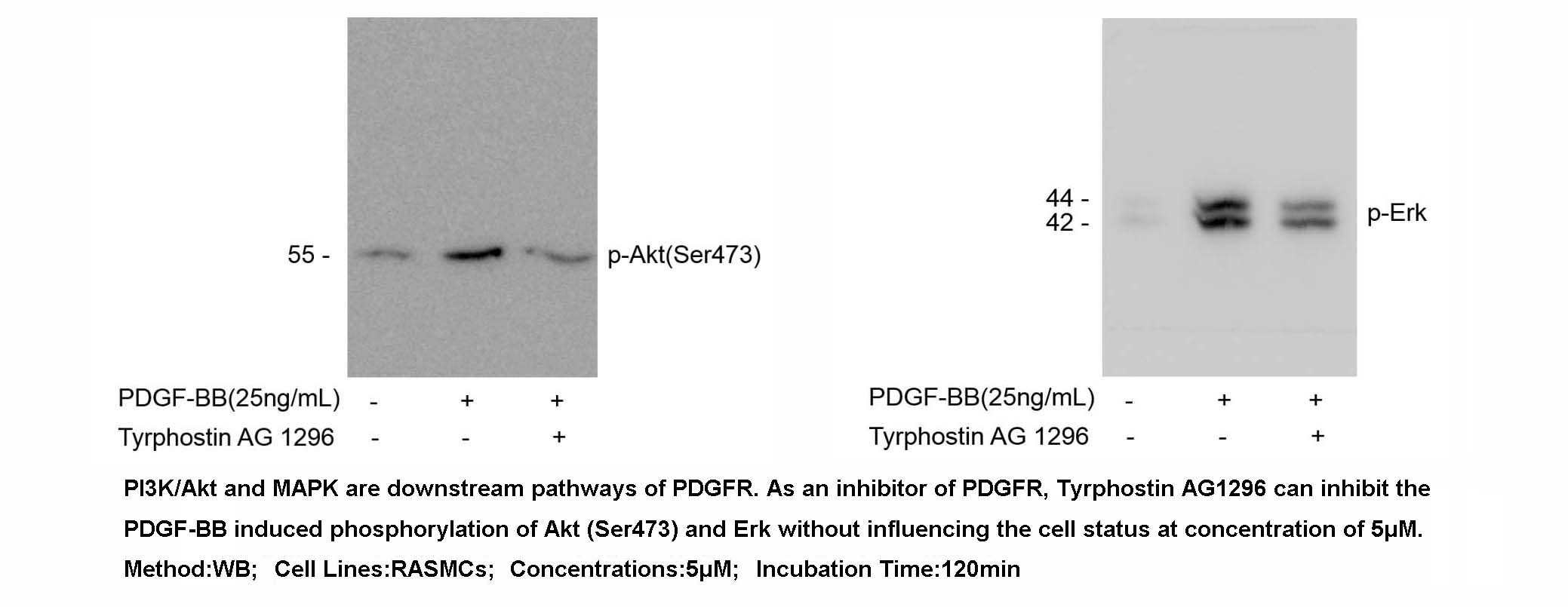
ADORs accomplish a variety of physiological effects in different tissues. In neurons, ADORs regulate the release of neurotransmitters such as dopamine and glutamate (Ferré et al., 1992; Fredholm and Dunwiddie, 1988; Ginsborg and Hirst, 1972; Gonçalves et al., 2015; Quarta et al., 2004; Stella et al.
-
That disassembling actin filaments transport chromosomes tow
2024-10-12
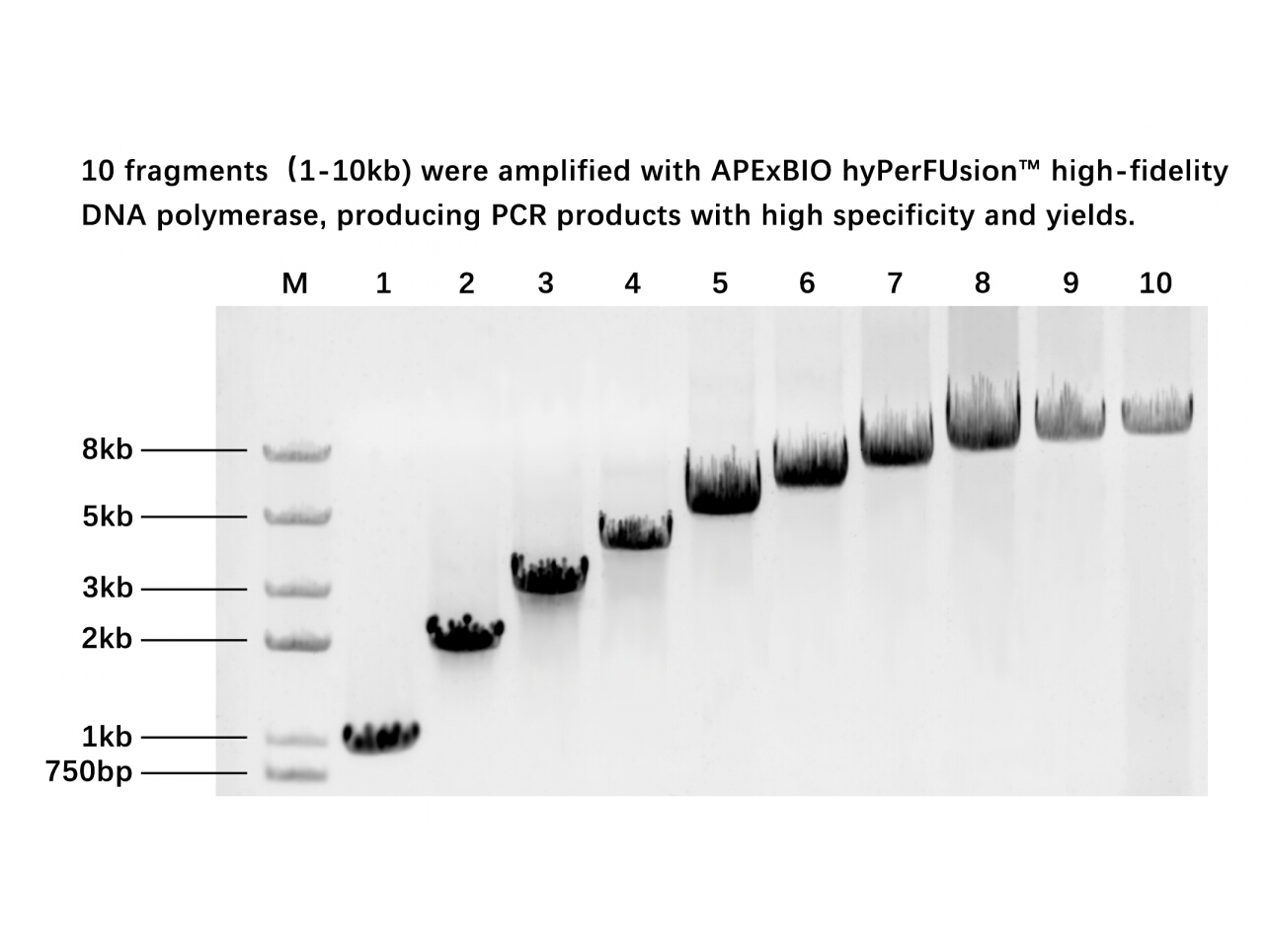
That disassembling saquinavir filaments transport chromosomes towards the spindle in oocytes may be surprising at first sight. On the other hand, it is well established that chromosome movement during anaphase is driven by the depolymerization of microtubules [20]. It will be interesting to investig
-
br There is evidence to
2024-10-12
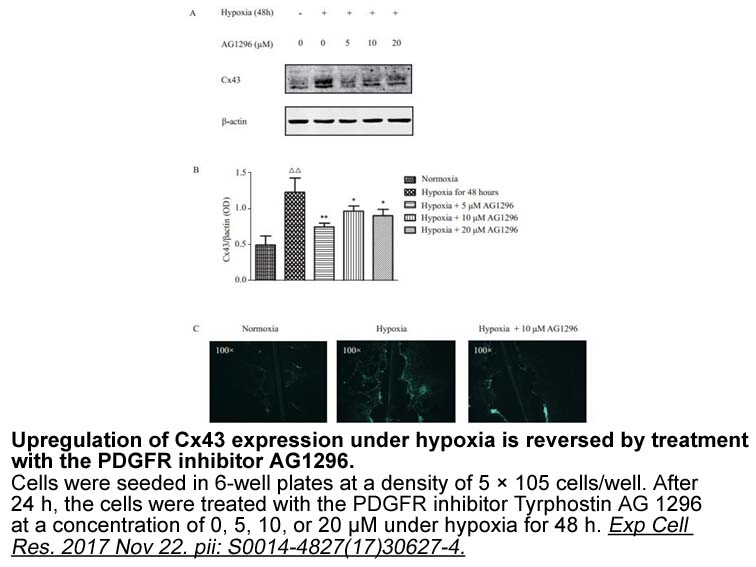
There is evidence to suggest that GMF activities are regulated in vivo by post-translational modification. indeed, there is strong precedent for ADF-homology family proteins being regulated in this manner. Cofilin is inhibited by phosphorylation of a serine residue at its N terminus. This residue
-
The total IgG concentration decreased from
2024-10-12
The total IgG concentration decreased from a mean of 997 mg/100 ml before treatment to a mean of 696 after treatment in the MuSK+MG patients, and from a mean of 1736 mg/100 ml to a mean of 802 mg/100 ml in the AChR+MG patients (normal values 723–1685 mg/100 ml). This decrement was also statistically
-
br Materials and methods br Results and discussion In
2024-10-12

Materials and methods Results and discussion In our previous studies (Matarneh et al., 2017), mitochondria were mechanically disrupted and separated into supernatant and pellet fractions by centrifugation. The causative agent for enhnced glycolytic flux was shown to be a protein that resides i
-
br Introduction Lipoxygenases LOXs are a
2024-10-12
Introduction Lipoxygenases (LOXs) are a heterogeneous family of enzymes that catalyze the peroxidation of polyunsaturated fatty acids (PUFAs). By oxidizing free PUFAs, they were shown to contribute to the generation of various bioactive lipid mediators. However, LOX-mediated oxidation of PUFAs es
-
ro5 australia The enzyme Arginase ARG plays a role
2024-10-12

The enzyme Arginase 1 (ARG1) plays a role in the hepatic urea cycle by hydrolyzing L-arginine to L-ornithine and urea [13]. In the context of macrophages and MDSCs, ARG1 expression redirects L-arginine metabolism to abolish cytotoxic nitric oxide production [14], suppress T-cell function [15], [16],
16800 records 99/1120 page Previous Next First page 上5页 96979899100 下5页 Last page