Archives
- 2026-08
- 2026-07
- 2026-06
- 2026-05
- 2026-04
- 2026-03
- 2026-02
- 2026-01
- 2025-12
- 2025-11
- 2025-10
- 2025-09
- 2025-04
- 2025-03
- 2025-02
- 2025-01
- 2024-12
- 2024-11
- 2024-10
- 2024-09
- 2024-08
- 2024-07
- 2024-06
- 2024-05
- 2024-04
- 2024-03
- 2024-02
- 2024-01
- 2023-12
- 2023-11
- 2023-10
- 2023-09
- 2023-08
- 2023-07
- 2023-06
- 2023-05
- 2023-04
- 2023-03
- 2023-02
- 2023-01
- 2022-12
- 2022-11
- 2022-10
- 2022-09
- 2022-08
- 2022-07
- 2022-06
- 2022-05
- 2022-04
- 2022-03
- 2022-02
- 2022-01
- 2021-12
- 2021-11
- 2021-10
- 2021-09
- 2021-08
- 2021-07
- 2021-06
- 2021-05
- 2021-04
- 2021-03
- 2021-02
- 2021-01
- 2020-12
- 2020-11
- 2020-10
- 2020-09
- 2020-08
- 2020-07
- 2020-06
- 2020-05
- 2020-04
- 2020-03
- 2020-02
- 2020-01
- 2019-12
- 2019-11
- 2019-10
- 2019-09
- 2019-08
- 2019-07
- 2019-06
- 2019-05
- 2019-04
- 2018-11
- 2018-10
- 2018-07
-
Perturbation in the cytokine network is
2019-12-13
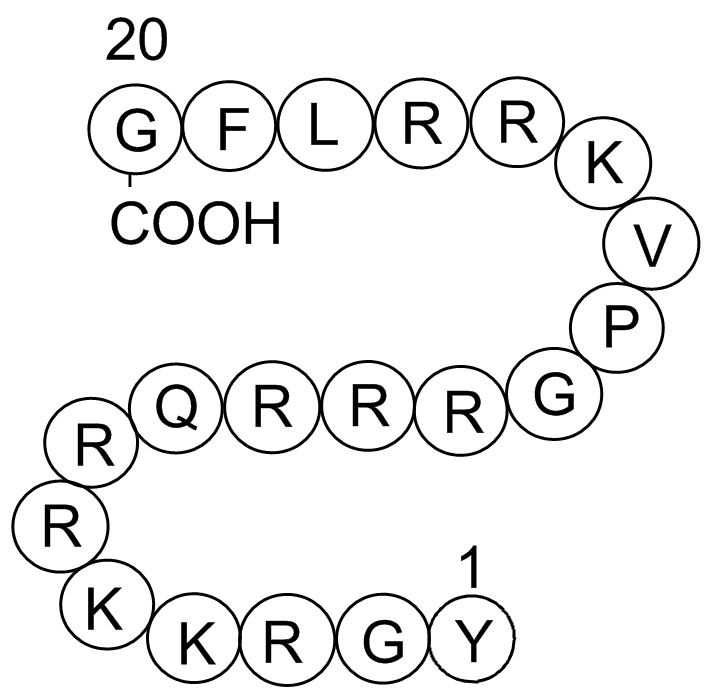
Perturbation in the cytokine network is correlated with disruption of growth hormone and glucocorticoid (GC) homeostasis (Thissen and Verniers, 1997; Sahid El-Radhi et al., 2000; Waxman and Holloway, 2009; Zhao et al., 2014), with important physiological consequences because cytokines affect the reg
-
In a previous study we reported that the
2019-12-13

In a previous study we reported that the systemic administration of the α1-adrenergic receptor antagonist prazosin attenuates the deficit in CX-6258 reward function associated with precipitated nicotine withdrawal (Bruijnzeel et al., 2010). One of the aims of the present experiments was to investig
-
br Chain specific ubiquitin probes The conventional way
2019-12-12
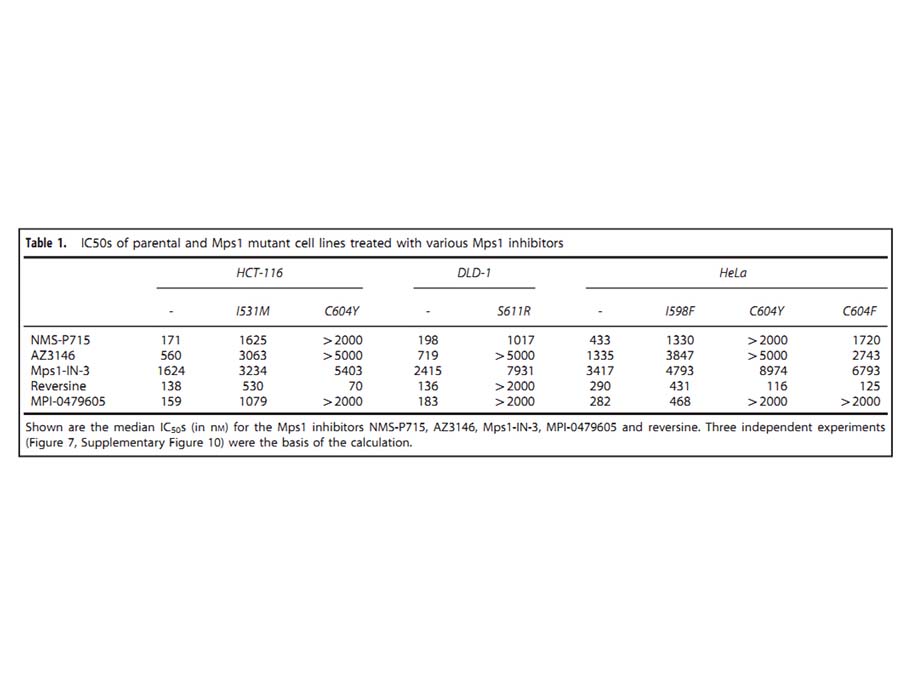
Chain specific ubiquitin probes The conventional way of assessing linkage specificity is by measuring turnover rates of different diubiquitin molecules as substrates. Although this method has been applied successfully in several studies [7••, 8] it is limited to isolated DUBs, whereas linkage spe
-
The first ones class A receptors found as heterodimers were
2019-12-12
The first ones class A receptors found as heterodimers were reported by Gomes et al. (2000), who identified a heteromer constituted by two subtypes of opioid receptors (μ and δ) in heterologous cells. The same year, Ginés et al. (2000) showed the first heteromer composed of two different receptors,
-
Here we explored the relative contribution
2019-12-12
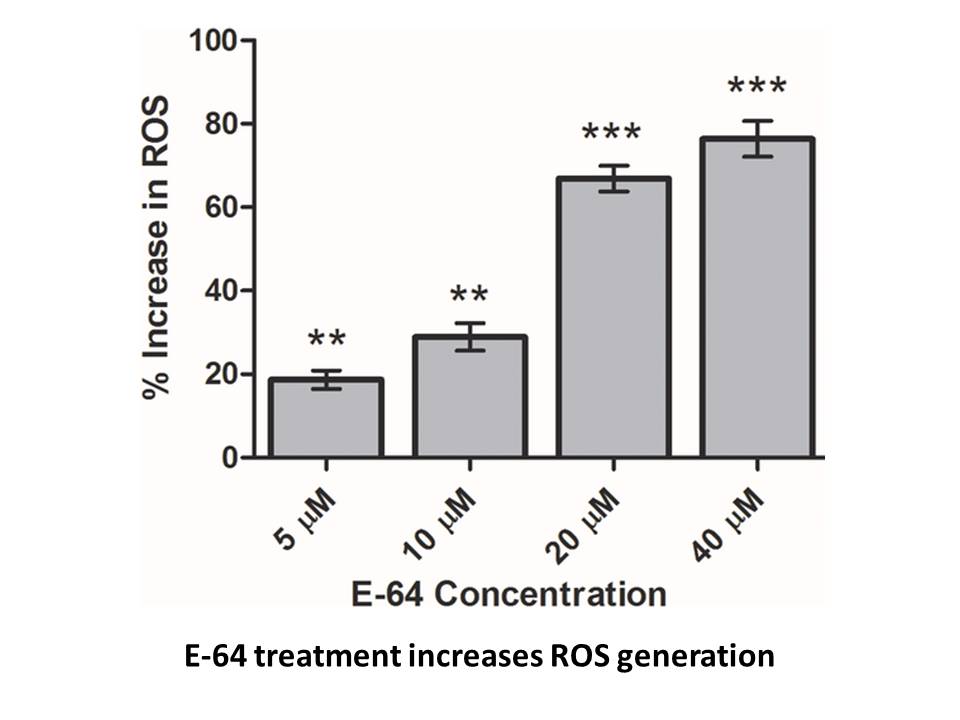
Here we explored the relative contribution of D1-like and D2-like receptor subtypes in the control of glutamate release, as well as their pharmacological properties and their interactions modulating the release. The pharmacological parameters (EC50 and Emax) of dopamine for the different types of re
-
Adenine HCl DDR was originally cloned by the
2019-12-12
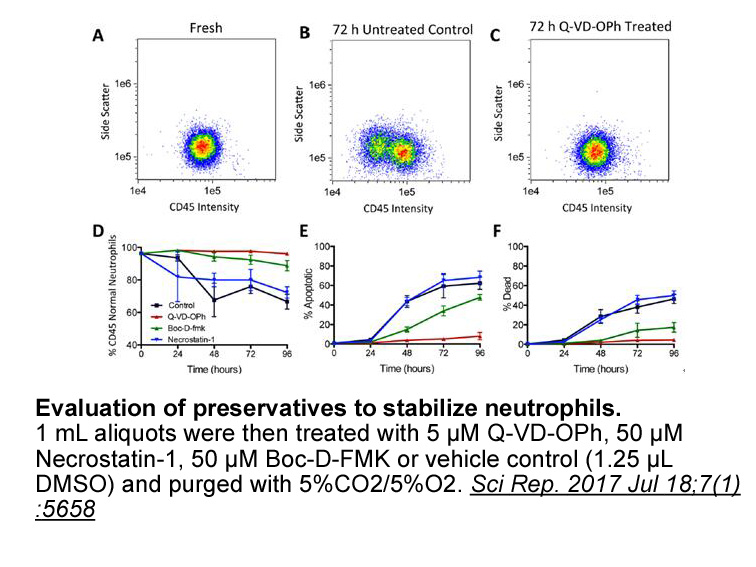
DDR1 was originally cloned by the group of Michele de Luca, at the time named TrkE. The Genoa-based research team identified the skin, and the keratinocytes in particular, as a major site of DDR1-binding activity [20]. DDR1 is also expressed in kidney, liver and lung (Fig. 2). The functional role of
-
The CRTH inhibitory activities of the synthesized
2019-12-12
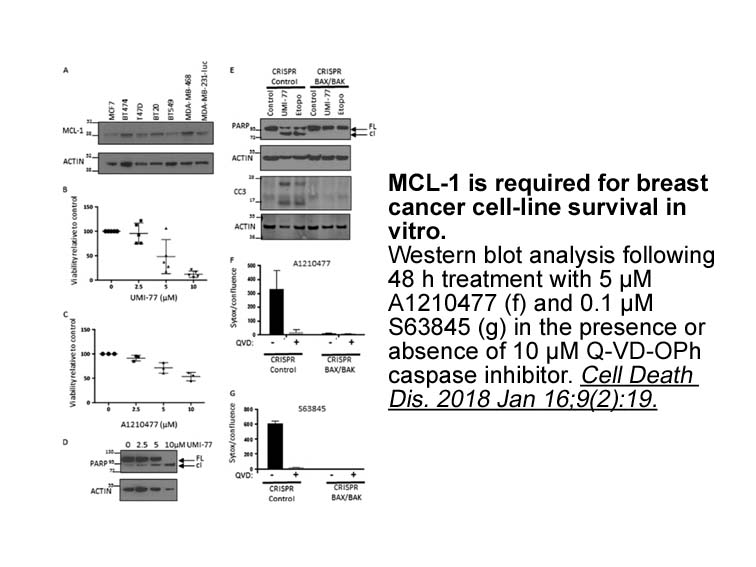
The CRTH2 inhibitory activities of the synthesized compounds are listed in , . At first we introduced halogen or other substituents at the 4,4′-position of phenyl rings in the benzhydryl moiety in order to obtain SAR and to improve the metabolic stability at this moiety (–). It is well-known that in
-
Introduction Primitive neuroectodermal tumors PNETs are mali
2019-12-12
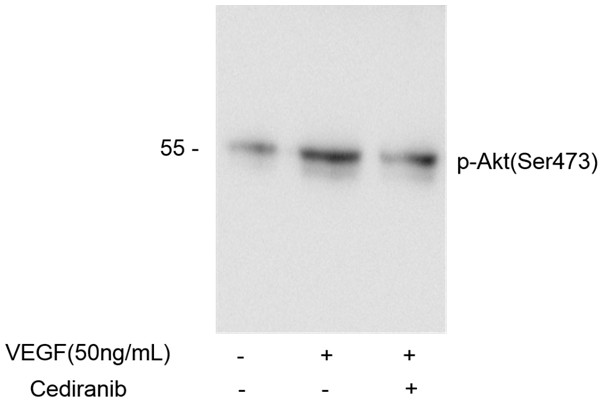
Introduction Primitive neuroectodermal tumors (PNETs) are malignant, small round cell tumors of neural crest origin which typically arises from bone or soft tissue in the trunk/axial skeleton/paraspinal regions in adolescents and young adults and comprises of 50% cases with local recurrence and met
-
br O GlcNAc transferase OGT belongs
2019-12-12
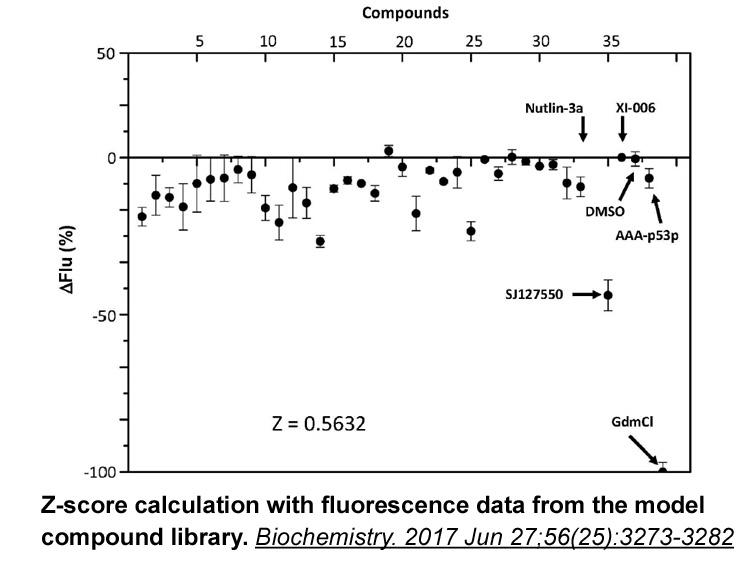
O-GlcNAc transferase OGT belongs to the metal-independent GT-B superfamily of glycosyltransferases, which has been well-reviewed previously [14,15]. OGT is an essential gene encoded on the X-chromosome, and it has two main regions: a long N-terminal tetratricopeptide repeat (TPR) region and a C-t
-
Using HPLC and an amino acid sequencer the site
2019-12-12
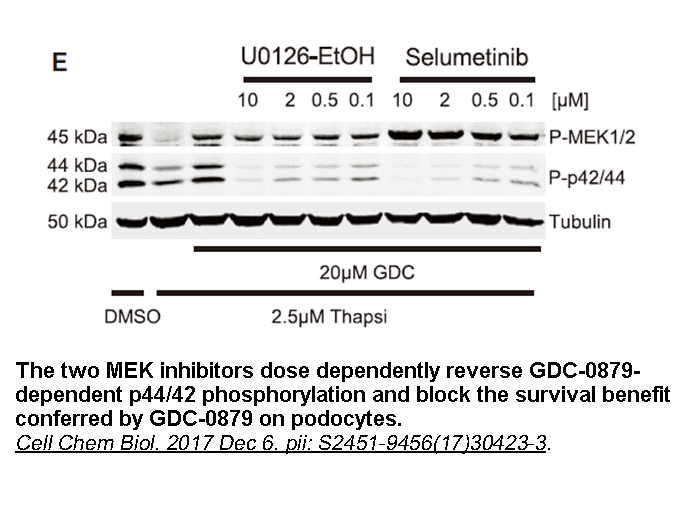
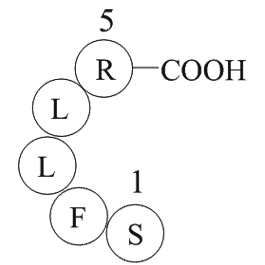
Using HPLC and an amino DLPC sequencer, the site of cleavage into the fluorogenic substrate AbzFRQEDDnp, determined as specific to the endopeptidase STH2, was analyzed and identified as being R2-Q3, and into substrate AbzFGQEDDnp, determined as specific to SH1, it was G2-Q3 (Fig. 5, Fig. 6). The st
-
In summary we elucidated the in vitro activities
2019-12-12
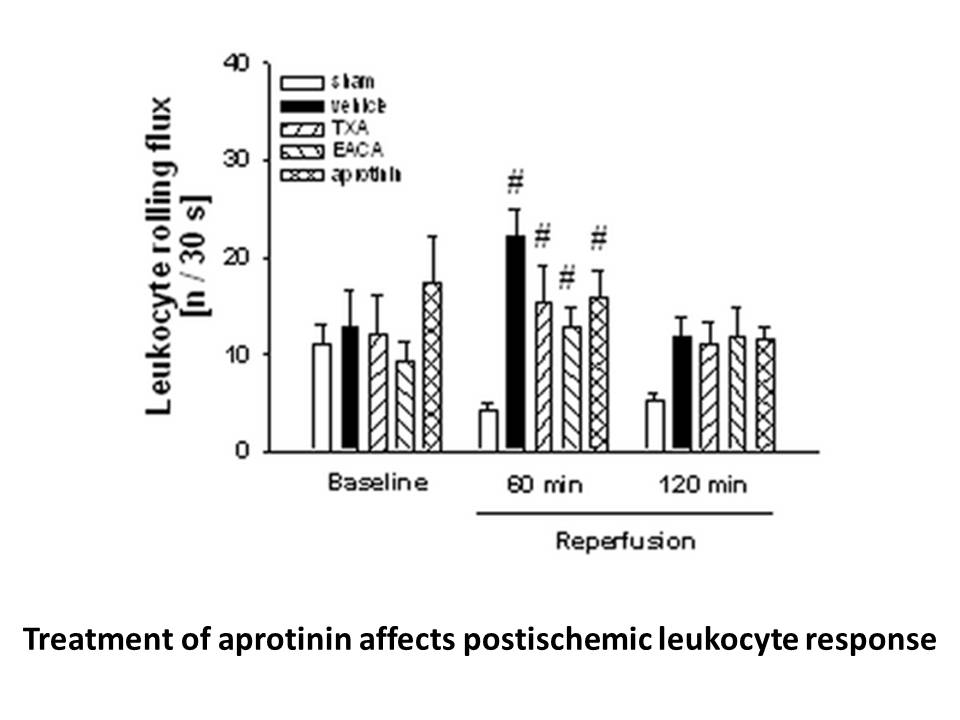
In summary, we elucidated the in vitro activities of KDM1B in regulation of PC cell proliferation and apoptosis. These studies provided a novel insight into the previously unrecognized roles of KDM1B in human PC cells. We showed for the first time that KDM1B knockdown attenuated proliferation and in
-
br Materials and methods br Results
2019-12-12
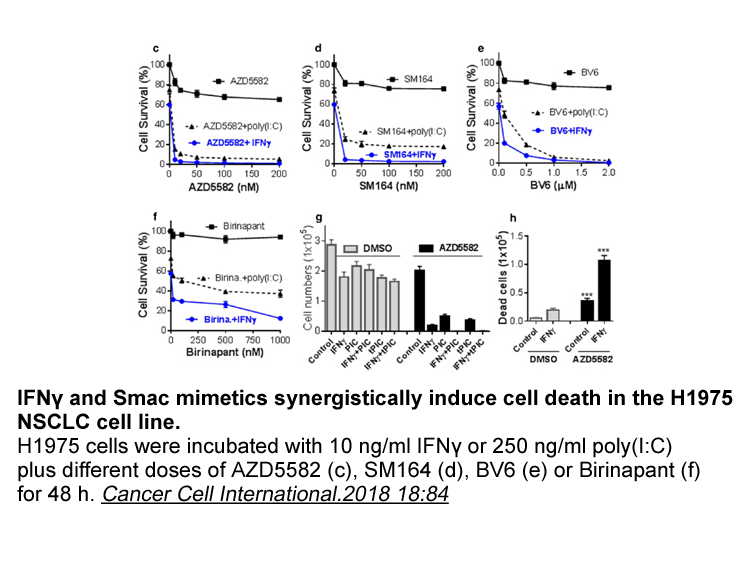
Materials and methods Results Recently, a quantitative proteomic analysis of C2C12 mouse myoblasts cell line totally deprived of protein kinase CK2 catalytic subunits (CK2α/CK2α′(−/−)), suggested that the cellular expression of HSP27, a chaperone with multiple functions related to proteostasis
-
br The interaction network between the lncRNAs which
2019-12-11
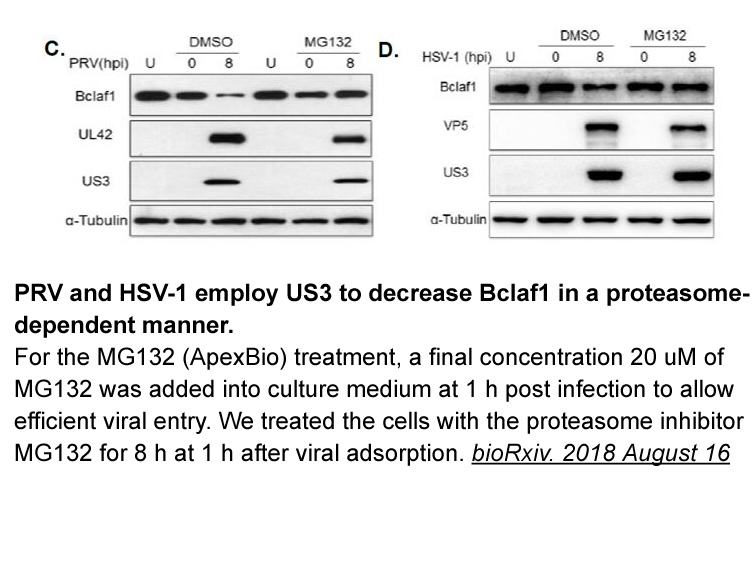
The interaction network between the lncRNAs which have been obtained from the previous steps, VDR and ESR was depicted using Cytoscape tool. Moreover, LncMAP tool (Li et al., 2018) was used to show transcriptional regulatory effects of two lncRNAs (MALAT1 and TBX5-AS1). The interaction network dep
-
ACE also known as Kininase II is an important enzyme
2019-12-11
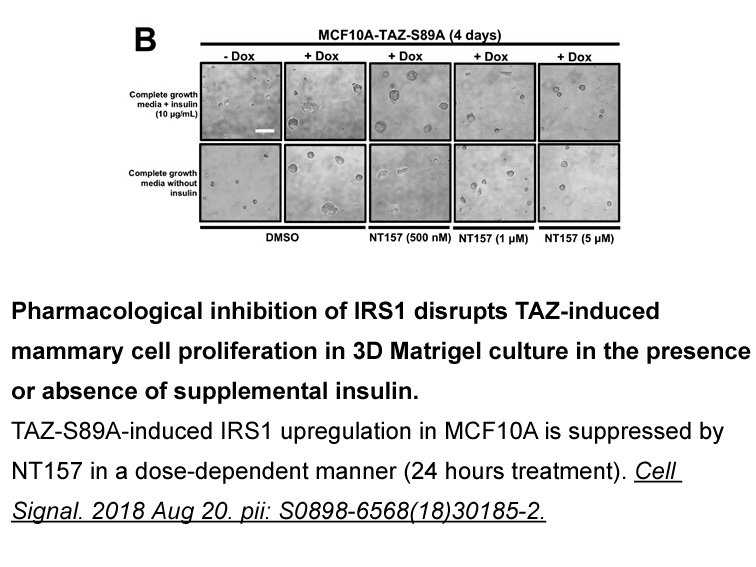
ACE also known as Kininase II is an important enzyme of the Renin angiotensin toremifene citrate system (RAAS) (Novo et al., 1987), it is believed to be a potent blood pressure regulator and also plays a crucial role in activation of the bradykinin receptor via inactivation of bradykinin which work
-
br Results br Discussion The ubiquitin system has in
2019-12-11
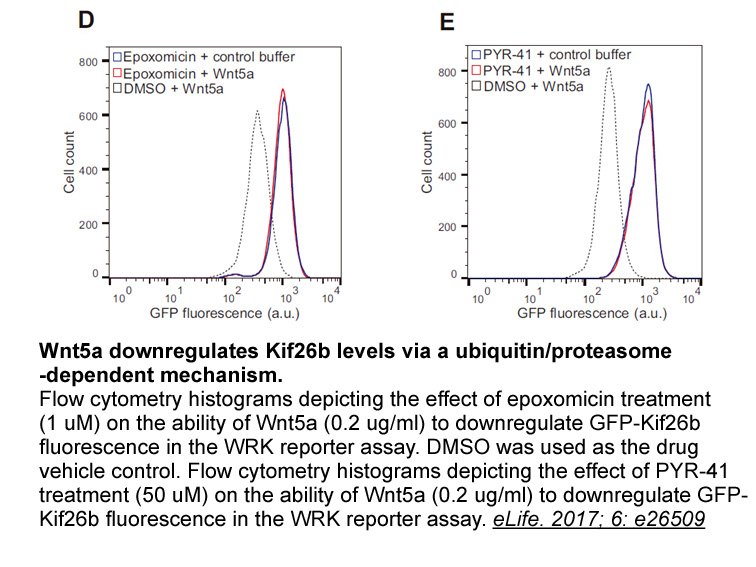
Results Discussion The ubiquitin system has in recent years become an exciting area for drug discovery (Cohen and Tcherpakov, 2010), as multiple enzymatic steps within the ubiquitylation process are druggable. The potential of targeting the ubiquitin-proteasome pathway was first demonstrated i
16791 records 971/1120 page Previous Next First page 上5页 971972973974975 下5页 Last page