Archives
- 2026-08
- 2026-07
- 2026-06
- 2026-05
- 2026-04
- 2026-03
- 2026-02
- 2026-01
- 2025-12
- 2025-11
- 2025-10
- 2025-09
- 2025-04
- 2025-03
- 2025-02
- 2025-01
- 2024-12
- 2024-11
- 2024-10
- 2024-09
- 2024-08
- 2024-07
- 2024-06
- 2024-05
- 2024-04
- 2024-03
- 2024-02
- 2024-01
- 2023-12
- 2023-11
- 2023-10
- 2023-09
- 2023-08
- 2023-07
- 2023-06
- 2023-05
- 2023-04
- 2023-03
- 2023-02
- 2023-01
- 2022-12
- 2022-11
- 2022-10
- 2022-09
- 2022-08
- 2022-07
- 2022-06
- 2022-05
- 2022-04
- 2022-03
- 2022-02
- 2022-01
- 2021-12
- 2021-11
- 2021-10
- 2021-09
- 2021-08
- 2021-07
- 2021-06
- 2021-05
- 2021-04
- 2021-03
- 2021-02
- 2021-01
- 2020-12
- 2020-11
- 2020-10
- 2020-09
- 2020-08
- 2020-07
- 2020-06
- 2020-05
- 2020-04
- 2020-03
- 2020-02
- 2020-01
- 2019-12
- 2019-11
- 2019-10
- 2019-09
- 2019-08
- 2019-07
- 2019-06
- 2019-05
- 2019-04
- 2018-11
- 2018-10
- 2018-07
-
GCK MODY is the most common form of MODY
2022-01-04
GCK-MODY is the most common form of MODY diabetes in many populations (Chevre et al., 1998; Massa et al., 2001; Barrio et al., 2002; Estalella et al., 2007; Pruhova et al., 2010; Capuano et al., 2012; Giuffrida et al., 2017). However, data about GCK-MODY among North African populations are very rare
-
In our reporter assay system
2022-01-04
In our reporter assay system, C3H10T1/2-Gli1-Luc cells were incubated with Shh CM to induce Gli1-mediated luciferase activity (Fig. 1B). Z-Ajoene inhibited Shh CM-induced luciferase activity in a concentration-dependent manner as seen in Fig. 1C. Z-Ajoene also inhibited SAG (a Smo activator)-induced
-
br Calcium permeability pathway It has been
2022-01-04
Calcium permeability pathway It has been demonstrated that physiological shear stress in the circulation causes a reversible increase in Ca2+ permeability [29], [30], [31], [32], [33] and electrophysiological evidence has been recently reported for transient activation of the Ca2+-sensitive K+ ch
-
Because of its role in the cleavage
2022-01-04
Because of its role in the cleavage of Aβ and the fact that many genetic forms of AD are caused by mutations in the enzyme, GS has long been a target for drug development, though previous clinical trials of Semagacestat, a GS inhibitor, have failed due to an increase in skin cancer, and a decrease i
-
br Results br Discussion Our studies highlight MUFAs
2022-01-04

Results Discussion Our studies highlight MUFAs as key lipid modulators of both non-apoptotic and apoptotic cell death. Recent studies show that a more mesenchymal phenotype, de-differentiation, and acquired resistance to targeted inhibitors, can all promote a ferroptosis-sensitive cell state (
-
The membrane metalloendopeptidase MME gene is located
2022-01-04
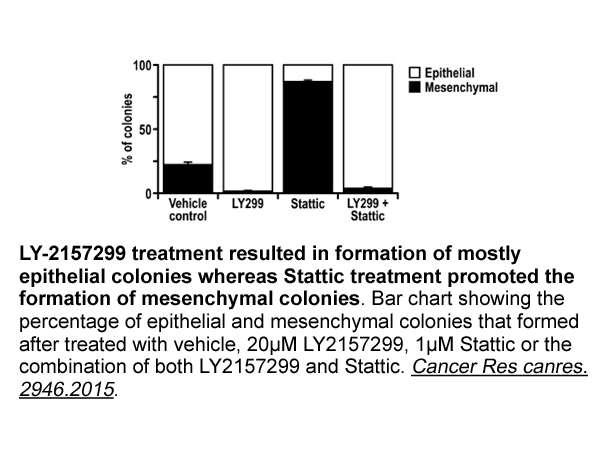
The membrane metalloendopeptidase (MME) gene is located at human chromosome 3q21-27. It encodes a 100-kD type II transmembrane glycoprotein, a widely expressed membrane metalloendopeptidase that degrades a number of substrates. The active site of the enzyme faces the extracellular space. MME is wide
-
Mizoribine synthesis The site of metastasis in breast cancer
2022-01-03

The site of metastasis in breast cancer often contributes to the patient’s OS. Patients with bone metastasis from their breast cancer often have a notably increased survival over patients with visceral or Mizoribine synthesis metastasis. In this analysis, ER+/HER2+ patients were noted to have a hig
-
br Discussion Naloxone and CTAP were able to
2022-01-03
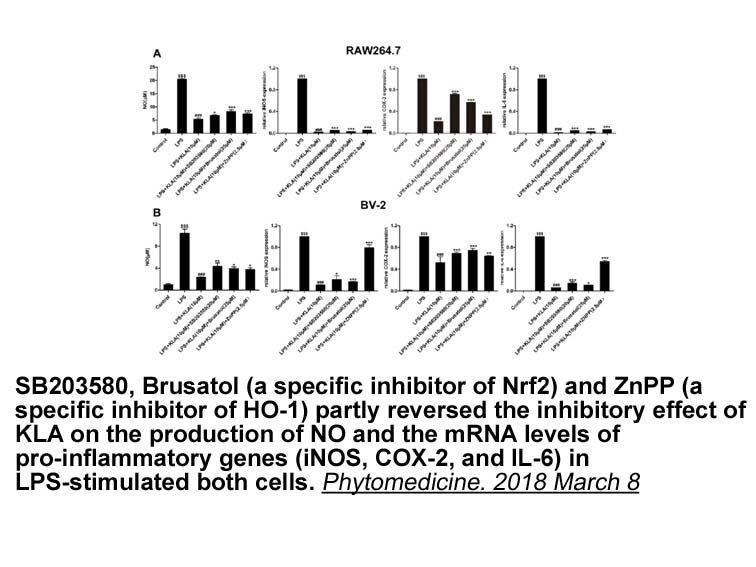
Discussion Naloxone and CTAP were able to alter the febrile response induced by gp120. This effect was particularly evident during the initial hours following gp120 administration (90–210min). We also investigated the potential role of the delta-2 opioid receptor in gp120-induced fever. The delta
-
Over expression of Glo can suppress inflammatory responses M
2022-01-03
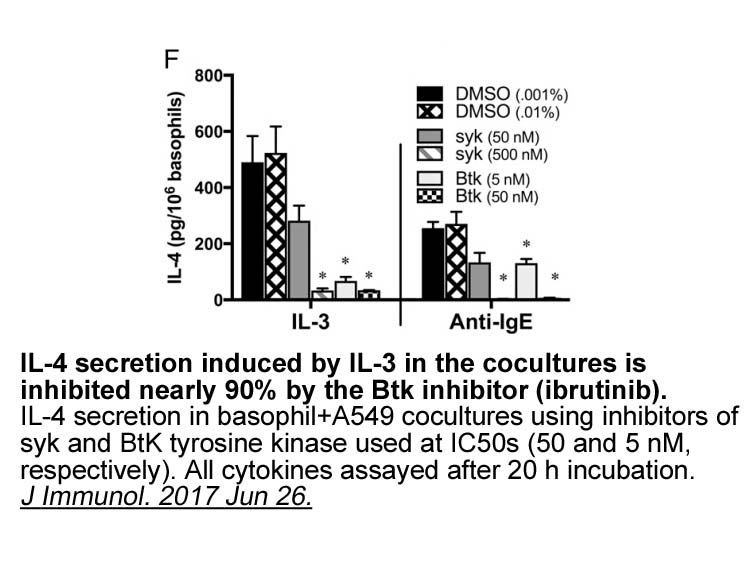
Over-expression of Glo-1 can suppress inflammatory responses. Methylglyoxal mediates vascular inflammation in human endothelial salidroside [33], indicating that Glo-1 may attenuate inflammation via eliminating methylglyoxal. Glo-1 knockdown mediated methylglyoxal accumulation provokes collagen exp
-
It is well known that GPCR responsiveness
2022-01-03

It is well known that GPCR responsiveness desensitizes after prolonged exposure to agonists through several mechanisms such as receptor phosphorylation, arrestin binding and internalization (Dhami and Ferguson, 2006). Therefore, in the present work we decided to study whether group I-mGluR signaling
-
br Xenobiotics and the Glucocorticoid Receptor br Conclusion
2022-01-03
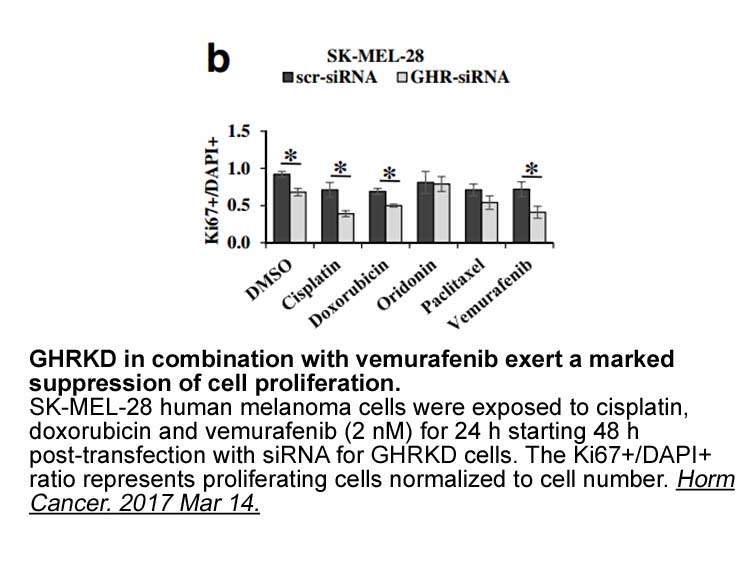
Xenobiotics and the Glucocorticoid Receptor Conclusion Transparency document Acknowledgements The author wishes to thank Professor Wilhelm Engström from the Swedish University of Agricultural Sciences (Department of Biomedical Sciences and Veterinary Public Health) for his proof reading
-
Given the actions of GIP analogues administered as a
2022-01-03
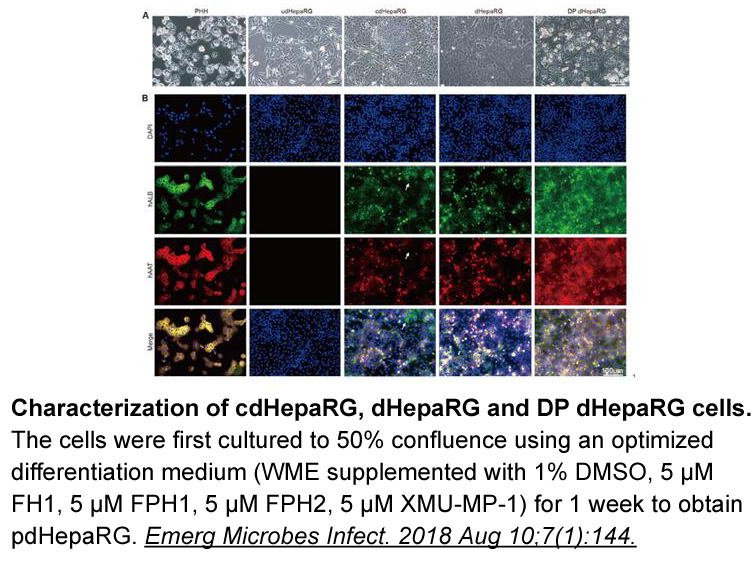
Given the actions of GIP analogues administered as a single dose to ob/ob mice, studies were performed to assess their ability to act in vivo as antagonists of GIP-induced insulinotropic and antihyperglycaemic actions. (Ala3)GIP, (Phe3)GIP, (Tyr3)GIP and (Pro3)GIP all counteracted the glucose-loweri
-
br Methods br Results br Discussion Previous work by
2022-01-03
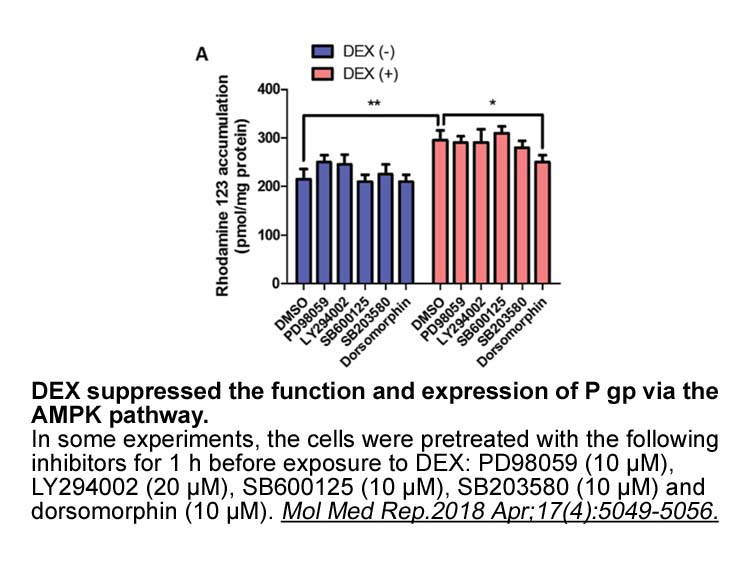
Methods Results Discussion Previous work by the Hirano group investigated the effect of GIP in murine atherosclerotic models and found infusion of GIP (1–42) by osmotic mini-pumps to decrease lesion size after 4 weeks in non-diabetic as well as in diabetic ApoE−/− mice [8], [9]. Mechanistic
-
The current gold standard for diagnosing BAM
2022-01-03
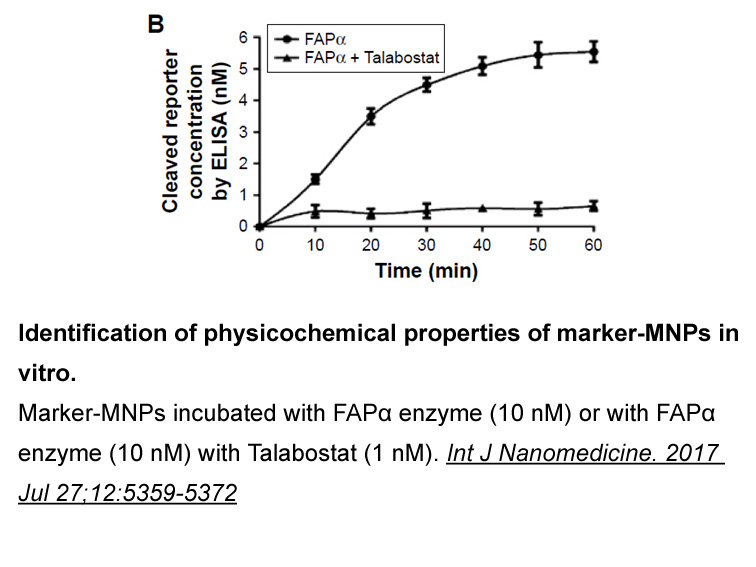
The current gold standard for diagnosing BAM or BAD is the measurement of BA turnover rate with radiolabelled tauroselcholic (75selenium) cannabinoid receptor (also known as the SeHCAT retention test). SeHCAT test involves the use of a synthetic analogue of naturally occurring conjugated taurocholi
-
In the current study we report the
2022-01-03
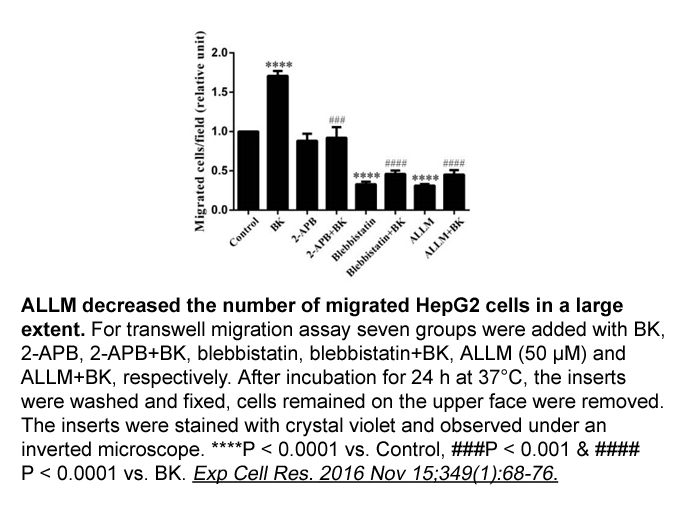
In the current study, we report the properties of P. anserina mutants carrying mutations in a gene encoding the bi-functional enzyme 6-phosphofructo-2-kinase/fructose-2,6-bisphosphatase (PFK-2/FBPase-2). This enzyme catalyzes two opposite reactions (Pilkis et al., 1995, Rider et al., 2004): synthesi
16796 records 569/1120 page Previous Next First page 上5页 566567568569570 下5页 Last page